
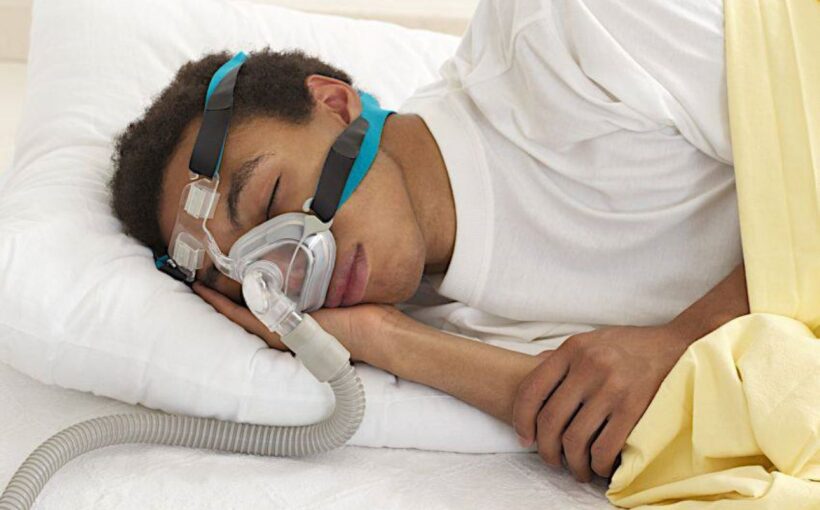
 Posted by
 Why Are Hobart Residents Turning to Home Sleep Testing?
The growing demand for sleep testing Hobart residents can access from home reflects a significant shift in how Tasmanians approach their sleep health. Local healthcare providers report increasing requests for diagnostic services, with home sleep studies becoming particularly popular among working professionals and families seeking flexible testing options.
The surge in interest stems from multiple factors reshaping healthcare preferences across the region. As Sleep Testing Hobart services become more widely recognized, residents now understand sleep disorders as serious medical conditions rather than minor inconveniences. This awareness drives people to seek professional diagnosis when experiencing persistent symptoms.
Rising Public Awareness About Sleep Health
Sleep disorders affect approximately 1.5 million Australians, yet many cases remain undiagnosed. Hobart communities are breaking this pattern through increased education about conditions like obstructive sleep apnea, insomnia, and restless legs syndrome.
Public health campaigns and GP discussions have highlighted the serious consequences of untreated sleep disorders:
- Cardiovascular risks including hypertension and heart disease
- Mental health impacts such as depression and anxiety
- Cognitive impairment affecting memory and concentration
- Workplace safety concerns due to excessive daytime sleepiness
- Relationship strain from snoring and disrupted sleep patterns
Local doctors now routinely screen patients for sleep issues during regular checkups. This proactive approach identifies at-risk individuals before complications develop. Patients who previously dismissed their symptoms as “just snoring” or “normal tiredness” now understand these signs warrant professional evaluation.
The Convenience Factor Driving Adoption
Traditional sleep testing requires overnight stays in clinical environments with unfamiliar equipment and monitoring staff. Many Hobart residents find this prospect uncomfortable or impractical given work schedules, family responsibilities, and childcare needs.
Home sleep studies eliminate these barriers. Patients receive diagnostic equipment to use in their own bedrooms, maintaining their regular routines and sleep environment. This approach produces more representative data since people sleep more naturally at home than in clinical settings.
The convenience of home testing appeals to specific demographics:
Working professionals avoid taking time off for overnight lab appointments. They can complete testing over a weekend without disrupting their work week.
Parents manage testing around family schedules without arranging overnight childcare. They remain available if children need attention
What Sleep Disorders Can Be Detected Through Home Sleep Testing?
Home sleep testing primarily identifies obstructive sleep apnea, the most common condition affecting Hobart residents’ sleep quality. The diagnostic equipment monitors breathing patterns, oxygen levels, and airflow disruptions that characterize this disorder. When airways repeatedly collapse during sleep, patients experience fragmented rest and reduced oxygen saturation—both clearly measurable through home monitoring devices.
Restless legs syndrome represents another condition detectable through level 2 home studies. Leg movement sensors track involuntary limb movements throughout the night, capturing the characteristic periodic leg movements that disturb sleep architecture. These sensors provide objective data about movement frequency and intensity, helping clinicians distinguish between restless legs syndrome and other movement disorders.
Home testing equipment can also gather preliminary data for narcolepsy and insomnia diagnosis, though these conditions often require additional clinical evaluation. The EEG, EOG, and EMG measurements collected during home studies reveal sleep stage patterns, rapid eye movement abnormalities, and muscle tone changes that suggest narcolepsy. For insomnia, the data shows sleep latency, total sleep time, and wake periods after sleep onset.
Common Symptoms Prompting Home Sleep Testing
Hobart residents typically seek sleep testing when experiencing:
- Loud, persistent snoring accompanied by breathing pauses witnessed by bed partners
- Excessive daytime sleepiness interfering with work, driving, or daily activities
- Morning headaches and dry mouth upon waking
- Difficulty concentrating and memory problems
- Unrefreshing sleep despite adequate time in bed
- Uncomfortable sensations in legs creating an urge to move them, especially at night
- Sudden muscle weakness triggered by strong emotions
These symptoms signal potential sleep disorders requiring professional evaluation. The comprehensive monitoring provided by home sleep studies captures the physiological evidence needed to confirm diagnoses and develop targeted treatment plans tailored to each patient’s specific condition.
How Do Local Providers Facilitate Home Sleep Testing in Hobart?
Three major providers have established comprehensive pathways for Hobart residents to access home sleep testing.
1. Hobart Sleep Solutions
Hobart Sleep Solutions operates a dual-model approach, giving patients the choice between traditional in-lab polysomnography and home-based diagnostics. Their flexibility allows individuals to select the testing environment that best suits their comfort level and schedule constraints. The clinic maintains expert oversight throughout the diagnostic process, ensuring that home testing participants receive the same level of professional analysis as in-lab patients.
2. Manse Medical Hobart Sleep Centre
Manse Medical Hobart Sleep Centre delivers extensive diagnostic capabilities through their level 2 home sleep studies. Their comprehensive monitoring setup includes:
- EEG sensors to track brain wave activity during different sleep stages
- EOG electrodes measuring eye movements for REM sleep detection
- EMG devices recording muscle activity and leg movements
- Nasal airflow sensors detecting breathing interruptions
- Pulse oximeters monitoring oxygen saturation levels
- Heart rate monitors tracking cardiovascular patterns
This multi-parameter approach enables the detection of complex sleep disorders including obstructive sleep apnea, restless legs syndrome, narcolepsy, and various forms of insomnia. Patients receive the equipment with clear setup instructions, eliminating the need for overnight clinic stays while maintaining diagnostic accuracy.
3. Health Dynamics Tasmania
Health Dynamics Tasmania focuses on portable sleep study technology combined with ongoing treatment support. Their service extends beyond diagnosis to include CPAP machine provision, mask fitting guidance through instructional videos, and equipment maintenance assistance. The organization collaborates directly with local healthcare providers to create seamless care pathways from initial testing through long-term therapy management. Their troubleshooting support helps patients navigate common challenges with CPAP therapy, reducing treatment abandonment rates and improving adherence to prescribed interventions.
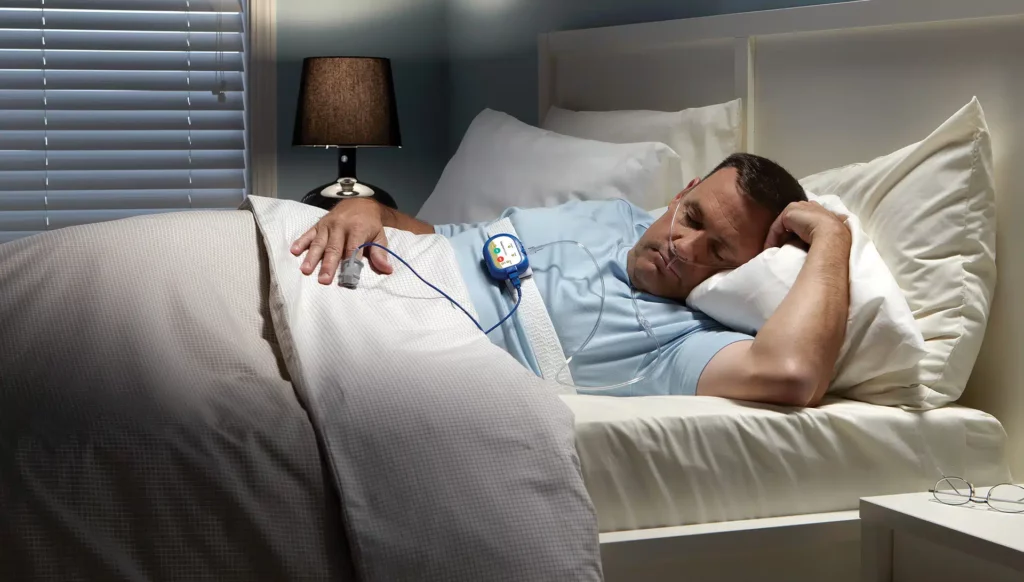
What Technologies Enable Accurate Diagnosis in Level 2 Home Sleep Studies?
Level 2 home sleep studies rely on sophisticated monitoring equipment that tracks multiple physiological parameters simultaneously. These portable systems capture the same critical data as laboratory-based polysomnography, allowing sleep specialists to diagnose conditions accurately while patients sleep in their own beds.
1. EEG Monitoring
EEG monitoring forms the cornerstone of sleep analysis by recording brain wave activity throughout the night. These electrodes detect different sleep stages—from light sleep to deep REM cycles—revealing patterns that indicate sleep fragmentation, frequent awakenings, or abnormal sleep architecture. The data helps clinicians identify whether patients are achieving restorative sleep or experiencing disruptions that leave them feeling exhausted despite spending adequate time in bed.
2. EOG Sensors
EOG sensors track eye movements, which are essential for identifying REM sleep periods and detecting rapid eye movement behavior disorder. These sensors distinguish between the characteristic rapid eye movements of REM sleep and the slow rolling eye movements that occur during sleep onset, providing crucial information about sleep cycle progression.
3. EMG Leg Movement Sensors
EMG leg movement sensors detect involuntary muscle activity in the legs, capturing periodic limb movements and restless legs syndrome symptoms. These sensors measure the frequency and intensity of leg jerks that can fragment sleep without the patient’s conscious awareness, often explaining daytime fatigue that seems to have no obvious cause.
4. Nasal Airflow Measurement Devices
Nasal airflow measurement devices monitor breathing patterns through the night, detecting pauses in respiration that characterize sleep apnea. Combined with heart rate monitoring and oxygen saturation sensors, these tools create a comprehensive picture of respiratory function during sleep. The system records how often breathing stops, how long each pause lasts, and how severely oxygen levels drop—all critical factors in diagnosing obstructive sleep apnea severity.
The growing demand for sleep testing Hobart residents can access from home has driven improvements in these technologies, making them more comfortable and user-friendly while maintaining clinical accuracy.
How Does Home Sleep Testing Enhance Patient Experience and Treatment Outcomes?
Patient comfort home testing transforms the diagnostic experience by eliminating the clinical environment that often interferes with natural sleep patterns. Testing in your own bed, surrounded by familiar sounds and settings, produces more representative data than spending a night in an unfamiliar sleep lab.
The convenience factor extends beyond the testing night itself. Hobart residents avoid:
- Multiple trips to medical facilities for setup and equipment return
- Taking time off work for evening appointments
- Arranging childcare or pet care for overnight absences
- Sleeping in a room with monitoring equipment and staff nearby
Home testing equipment arrives with clear instructions, allowing patients to self-administer the study at their preferred time. This flexibility proves particularly valuable for shift workers, parents with young children, or individuals with mobility challenges who find travel to clinics difficult.
Professional analysis remote diagnostics ensures the convenience doesn’t compromise quality. Sleep specialists review the recorded data with the same thoroughness as in-lab studies, identifying breathing interruptions, oxygen desaturation events, and other critical markers. Providers like Manse Medical and Health Dynamics Tasmania combine sophisticated monitoring technology with expert interpretation, delivering accurate diagnoses without requiring patients to leave home.
The psychological benefits matter too. Many people experience “first night effect” anxiety in clinical settings, which can suppress symptoms or alter sleep architecture. Testing at home reduces this stress response, often revealing sleep disturbances that might not manifest in an artificial environment.
Treatment outcomes improve when diagnosis happens sooner rather than later. The reduced barriers to home testing mean more Hobart residents seek evaluation when symptoms first appear, rather than delaying due to inconvenience concerns. Earlier intervention prevents the progression of conditions like obstructive sleep apnea, reducing long-term cardiovascular risks and improving quality of life faster.
What Support Do Providers Offer After Diagnosing Conditions Through Home Sleep Testing?
Hobart providers deliver comprehensive post-diagnosis support that extends well beyond the initial sleep study results.
Health Dynamics Tasmania
Health Dynamics Tasmania supplies CPAP machines and accessories directly to patients, ensuring they receive the necessary equipment promptly after diagnosis. Their service includes detailed setup assistance to help patients understand how to operate their devices correctly from the first night.
CPAP therapy guidance
CPAP therapy guidance forms a critical component of ongoing care. Providers offer multiple support channels:
- Mask fitting consultations to ensure proper seal and comfort
- Video tutorials demonstrating equipment assembly and maintenance
- Troubleshooting assistance for common issues like air leaks or discomfort
- Regular follow-up appointments to monitor treatment effectiveness
Health Dynamics Tasmania maintains an active support system where patients can access guidance on adjusting pressure settings, cleaning protocols, and replacing consumable parts like filters and tubing. Their team works collaboratively with referring physicians to track patient progress and make necessary adjustments to treatment plans.
Manse Medical’s Hobart Sleep Centre
Manse Medical’s Hobart Sleep Centre provides similar comprehensive follow-up services. Their clinicians review sleep study data with patients, explaining the findings in accessible language and discussing treatment options. For those prescribed CPAP therapy, the centre offers hands-on training sessions where patients practice using equipment under professional supervision.
The support structure includes education about sleep hygiene practices that complement CPAP therapy. Patients receive guidance on maintaining consistent sleep schedules, optimizing bedroom environments, and recognizing signs that therapy adjustments may be needed. Providers also assist with insurance documentation and equipment warranty claims, removing administrative barriers that might otherwise interrupt treatment adherence.
Regular equipment maintenance checks ensure devices continue functioning optimally. Providers schedule periodic reviews to assess therapy data downloaded from CPAP machines, identifying patterns that might indicate the need for pressure adjustments or mask replacements. You may like to visit https://recovervision.com/sleep-study-perth-what-influences-the-results-and-how-to-choose-the-right-provider/ Sleep Study Perth: What Influences the Results and How to Choose the Right Provider.
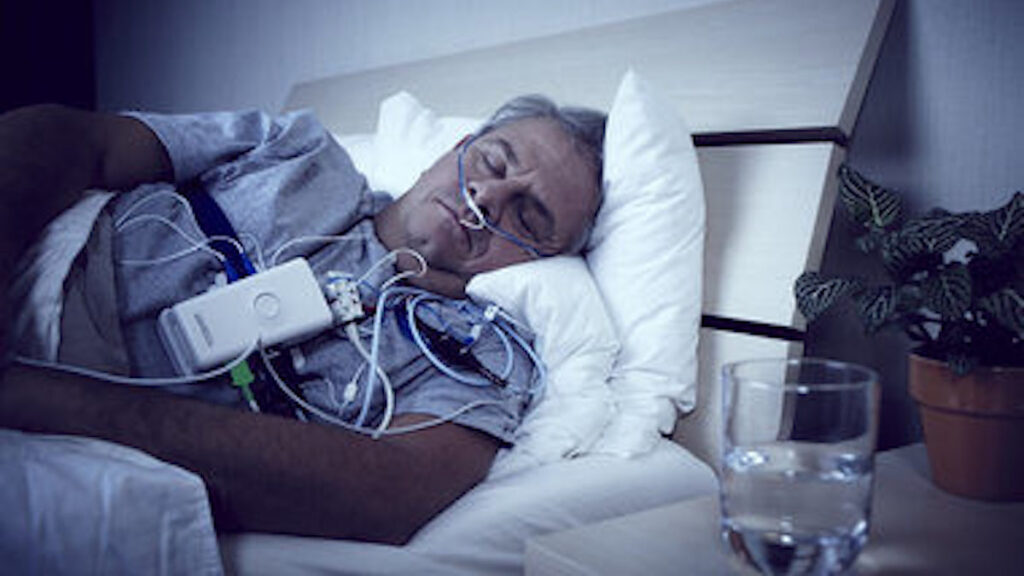
How Home-Based Sleep Testing Reflects Broader Healthcare Trends in Hobart
Home-based sleep testing exemplifies Tasmania’s shift toward patient-centered care Tasmania models that prioritize accessibility and individual comfort. The Growing Demand for Sleep Testing Hobart Residents Can Access from Home mirrors national healthcare movements emphasizing reduced hospital burden and improved patient autonomy.
This diagnostic approach aligns with three key healthcare evolution patterns visible across Hobart’s medical landscape:
1. Decentralization of Medical Services
Traditional hospital-centric models are giving way to distributed care networks. Sleep testing now occurs where patients live rather than requiring overnight facility stays. This mirrors trends in chronic disease management, mental health support, and rehabilitation services increasingly delivered in community settings.
2. Technology-Enabled Home Healthcare
Portable monitoring devices have transformed what medical professionals can measure outside clinical environments. The same technological advances enabling telehealth consultations and remote patient monitoring support sophisticated sleep studies using EEG, EOG, and oxygen saturation equipment in residential settings. Hobart providers leverage these tools to maintain diagnostic accuracy while eliminating geographical and logistical barriers.
3. Value-Based Care Principles
Healthcare systems are measuring success through patient outcomes and satisfaction rather than service volume. Home sleep testing reduces costs for both providers and patients while maintaining diagnostic quality. Patients avoid time off work, childcare arrangements, and travel expenses associated with overnight lab stays. This efficiency-focused approach reflects broader efforts to deliver maximum health value with minimal patient disruption.
4. Consumer-Driven Healthcare Expectations
Modern patients expect healthcare to adapt to their schedules and preferences. The availability of home sleep studies responds to consumer demand for convenient, flexible medical services. This patient empowerment trend extends across Hobart’s healthcare sector, from online appointment booking to extended clinic hours and mobile health applications.
These converging trends position home sleep testing as representative of Tasmania’s evolving healthcare philosophy rather than an isolated innovation.
Conclusion
The Growing Demand for Sleep Testing Hobart Residents Can Access from Home represents a significant shift in how sleep disorders are diagnosed and managed. Multiple providers now offer comprehensive home testing services, making sleep diagnostics more accessible than ever before.
The expansion of home-based options addresses several critical needs:
- Convenience: Patients complete studies in familiar surroundings without hospital visits
- Accessibility: Reduced waiting times and simplified scheduling processes
- Accuracy: Advanced level 2 monitoring equipment captures detailed physiological data
- Continuity: Seamless transition from diagnosis to treatment with CPAP support
Hobart Sleep Solutions, Manse Medical, and Health Dynamics Tasmania have created an ecosystem where residents receive professional-grade diagnostics without sacrificing comfort. These services measure everything from brain waves to oxygen saturation, ensuring comprehensive evaluation.
The future of sleep diagnostics Hobart residents can expect builds on this foundation. Home testing eliminates barriers that previously prevented people from seeking help—inconvenient scheduling, unfamiliar environments, and lengthy wait times. Patients now receive the same quality monitoring previously available only in clinical settings.
This transformation benefits both individuals struggling with undiagnosed sleep disorders and the broader healthcare system. Early detection through accessible testing prevents complications associated with untreated conditions like obstructive sleep apnea. The combination of sophisticated technology and patient-centred delivery models positions Hobart at the forefront of modern sleep medicine.