
 Posted by
 Introduction
If you’ve been struggling with poor sleep, persistent fatigue, or snoring, a sleep test may be recommended to uncover underlying issues. Many patients feel nervous about what to expect during their first study, whether it’s conducted in a clinic or at home. This guide answers common questions, explains the process, and helps you feel prepared for a comfortable and informative sleep study experience.
What is a Sleep Test?
A sleep test, or polysomnography, is a diagnostic procedure that monitors your body while you sleep. Key measurements include:
- Brain activity (EEG) to track sleep stages
- Eye movements for REM and non-REM sleep
- Heart rate and rhythm
- Breathing patterns and oxygen levels
- Muscle activity and limb movements
These readings help identify sleep disorders such as obstructive sleep apnoea, insomnia, restless leg syndrome, and narcolepsy, enabling accurate treatment plans.
Preparing for Your First Sleep Study
Preparation ensures accurate results and a more comfortable night:
- Maintain a consistent sleep schedule in the days leading up to your study
- Avoid caffeine, alcohol, and sedatives on the day of the test
- Wear comfortable, loose clothing for sleep
- Bring personal comfort items like a favourite pillow or blanket
- Follow clinic-specific instructions about medications or bedtime routines
In-Lab vs Home Sleep Studies
In-Lab Sleep Study (Polysomnography)
- Conducted overnight in a sleep clinic
- Monitors brain, heart, breathing, oxygen, and limb activity
- Supervised by trained sleep technicians
- Recommended for complex or unclear sleep issues
Home Sleep Test
- Conducted in your own bed for comfort
- Focuses on breathing, heart rate, and oxygen levels
- Simple setup guided remotely by a sleep specialist
- Ideal for suspected sleep apnoea or routine monitoring
What to Expect During the Night
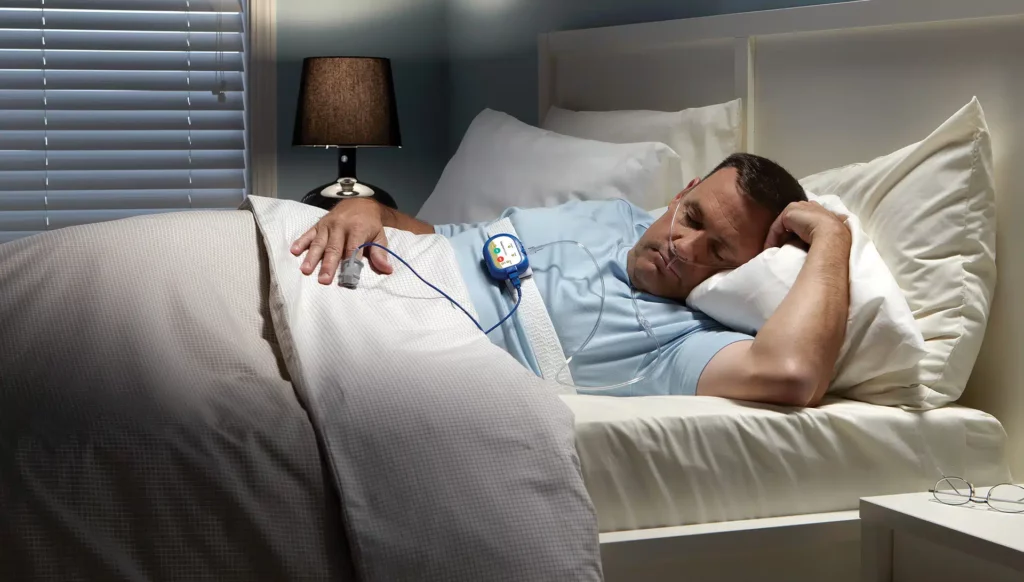
- Sensors and electrodes will be attached to your head, chest, and limbs
- Breathing and oxygen monitoring via nasal cannula and fingertip sensor
- Minimal discomfort: modern equipment is lightweight and non-intrusive
- Technicians ensure comfort, whether monitoring remotely (home) or in-lab
Your sleep may feel slightly different due to sensors, but most patients adapt quickly.
How Sleep Test Results Are Used
Specialists analyse key metrics to diagnose sleep disorders:
- Apnoea-Hypopnoea Index (AHI) measures breathing interruptions
- Oxygen desaturation levels indicate drops in blood oxygen
- Sleep stage distribution shows REM and NREM patterns
- Heart rate and rhythm highlight cardiovascular risks
- Limb movements can reveal restless leg syndrome
Results guide personalised treatment plans such as CPAP therapy, lifestyle adjustments, or medications to improve sleep quality and overall health.
Benefits and Potential Discomforts
Benefits
- Accurate diagnosis of sleep disorders
- Better sleep quality and daytime alertness
- Reduced health risks linked to poor sleep
- Guidance for long-term sleep health improvements
Potential Discomforts
- Mild skin irritation from electrodes
- Slight nasal or facial discomfort from sensors
- Temporary sleep disruption due to unfamiliar equipment
Modern technology ensures the study is far more comfortable than older methods, making the process accessible and effective.
Patient Experiences
- “The in-lab study was easy, and the technicians made me feel at ease. I finally understand my sleep issues.”
- “I preferred the home study; it was simple, convenient, and the results helped my doctor adjust my CPAP therapy.”
- “Seeing my sleep patterns in detail motivated me to prioritise healthier bedtime habits.”
Conclusion
Understanding sleep tests and what to expect can reduce anxiety and improve your experience. Whether in a clinic or at home, sleep studies are essential for diagnosing disorders, guiding treatment, and enhancing your overall health. Proper preparation and knowing the process ensures a smooth, informative, and comfortable night.
FAQs
1. What is the main purpose of a sleep test?
A sleep test monitors brain activity, breathing, heart rate, oxygen levels, and limb movements to identify sleep disorders. Accurate results allow specialists to recommend effective treatments that improve sleep quality and overall health.
2. How do I prepare for a sleep study?
Maintain a consistent sleep schedule, avoid caffeine and alcohol, wear loose clothing, and bring comfort items like pillows. Follow specific instructions from your sleep clinic about medications or routines.
3. Are home sleep tests as reliable as in-lab studies?
Yes, for many patients with suspected sleep apnoea, home sleep tests are accurate and convenient. In-lab studies provide more detailed information and are preferred for complex cases.
4. Will the sensors and equipment be uncomfortable?
Most patients experience minimal discomfort. Modern sensors are lightweight and non-intrusive. Mild skin irritation or temporary sleep disruption may occur, but technicians ensure comfort throughout the study.
5. How soon will I get my results?
Results are typically reviewed by a sleep specialist within a few days to a couple of weeks. Your doctor will discuss findings and recommend personalised treatments based on the data collected.