
 Posted by
 What Are Sleep Studies and Why Are They Important in Perth?
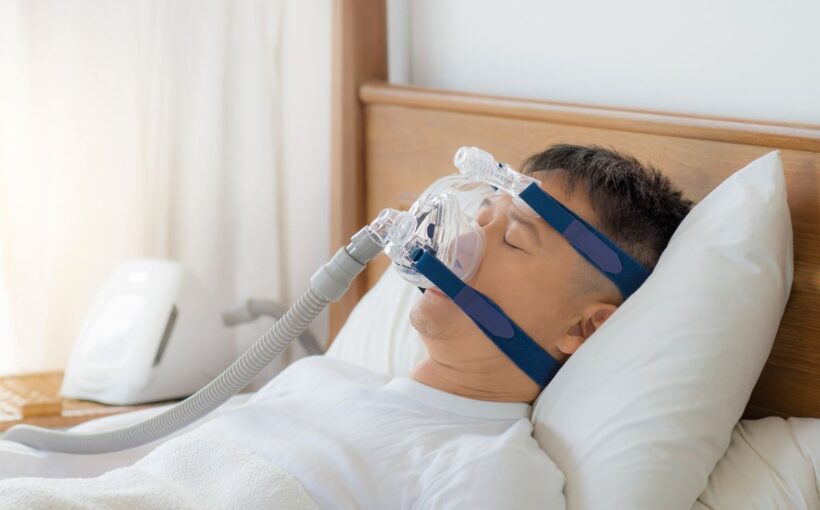
Sleep studies are diagnostic tests that monitor your body during sleep to identify disorders affecting sleep quality and overall health. These tests record brain activity, breathing patterns, heart rate, oxygen levels, and body movements throughout the night.
Sleep testing serves as the gold standard for diagnosing various sleep disorders that impact thousands of Perth residents. The data collected provides physicians with objective evidence needed to develop targeted treatment plans.
Common conditions identified through sleep studies include:
- Obstructive sleep apnea (OSA) – repeated breathing interruptions during sleep caused by airway blockage
- Insomnia – persistent difficulty falling or staying asleep
- Restless leg syndrome – uncomfortable sensations causing an urge to move legs
- Narcolepsy – excessive daytime sleepiness and sudden sleep attacks
- Sleep-related movement disorders – abnormal movements disrupting sleep quality
Accurate results from a sleep study Perth directly influence treatment effectiveness. Misdiagnosis or incomplete data can lead to inappropriate therapies, wasted resources, and continued health deterioration. Untreated sleep disorders contribute to serious complications including cardiovascular disease, diabetes, depression, and impaired cognitive function.
The precision of sleep disorders diagnosis depends on multiple factors ranging from testing environment to provider expertise. Understanding these influences helps patients make informed decisions when seeking sleep testing services.
What Factors Influence Sleep Study Results in Perth?
Several critical elements determine the accuracy and reliability of sleep study outcomes. The testing environment, patient preparation, and testing conditions all play significant roles in capturing meaningful data about sleep patterns and potential disorders.
The quality of sleep study results depends on how closely the testing situation mirrors natural sleep conditions while maintaining the technical precision needed for accurate diagnosis. Providers must balance comfort with comprehensive monitoring to ensure patients can sleep naturally while sensors capture detailed physiological data.
How Does the Testing Environment Affect Sleep Study Accuracy?
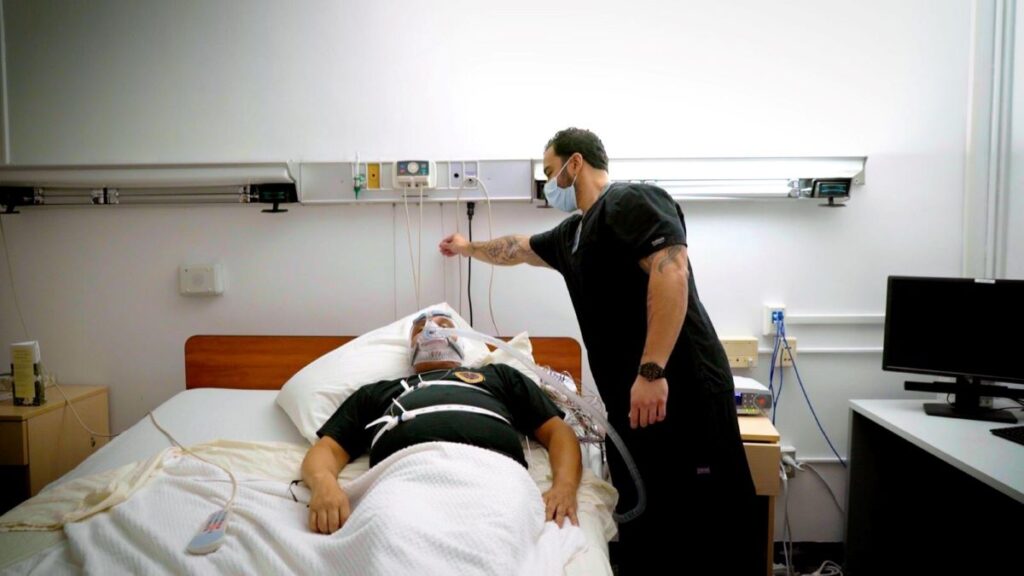
The choice between in-lab polysomnography and home-based sleep tests directly impacts the type and quality of data collected. In-lab studies take place in specialized sleep centers where trained technicians monitor patients throughout the night using comprehensive equipment that tracks brain waves, eye movements, muscle activity, heart rhythm, breathing patterns, and oxygen levels.
Advantages of In-Lab Polysomnography
In-lab polysomnography offers several distinct advantages:
- Continuous monitoring by qualified sleep technologists who can adjust equipment if sensors become displaced
- Comprehensive data collection including neurological measurements that detect sleep stages and arousals
- Ability to diagnose a wider range of sleep disorders beyond sleep apnea
- Controlled environment that eliminates external variables affecting sleep quality
Home-based sleep tests provide a more convenient alternative for specific conditions. These portable devices focus primarily on breathing patterns, oxygen saturation, and heart rate, making them suitable for diagnosing moderate to severe obstructive sleep apnea in patients without complex medical conditions.
Characteristics of Home-Based Sleep Tests
Home-based sleep tests present these characteristics:
- Greater comfort of sleeping in familiar surroundings
- Lower cost compared to laboratory studies
- No travel required for testing
- Limited data collection that may miss certain sleep disorders
The testing conditions in each environment create different challenges. Laboratory settings may feel unfamiliar, potentially affecting how quickly patients fall asleep or how deeply they rest. Home environments offer comfort but lack technical oversight, meaning sensor displacement or equipment malfunction might go unnoticed until data review.
Perth providers typically assess individual patient needs, medical history, and suspected conditions before recommending the appropriate testing environment. Patients with complex medical conditions, suspected central sleep apnea, or previous inconclusive home tests generally require the comprehensive monitoring available through in-lab polysomnography.
Why Is Patient Preparation Crucial for Reliable Sleep Study Outcomes?
Patient adherence to pre-test instructions directly determines the accuracy of sleep study data. When patients fail to follow preparation guidelines, the recorded sleep patterns may not reflect their typical sleep behaviour, leading to misdiagnosis or the need for repeat testing.
Essential Pre-Test Instructions
Most sleep study providers in Perth require patients to follow specific preparation tips in the 24-48 hours before testing:
- Avoid caffeine and alcohol – These substances alter sleep architecture and can mask or exaggerate symptoms of sleep disorders
- Maintain regular sleep schedule – Going to bed at your usual time ensures the study captures representative sleep patterns
- Limit daytime napping – Napping before a sleep study can reduce sleep pressure and affect how quickly you fall asleep during testing
- Continue regular medications – Unless specifically instructed otherwise by your provider, maintaining your usual medication routine prevents artificial changes to your sleep
- Wash hair without products – For in-lab polysomnography, clean hair without oils or styling products ensures proper electrode adhesion
Medication Adjustments
Some medications significantly impact testing conditions and may require temporary adjustment. Sleep aids, certain antidepressants, and stimulants can all influence factors affecting sleep study results. Your provider should conduct a thorough medication review during your clinical assessment and provide clear guidance on which medications to continue or temporarily discontinue.
Patient preparation extends beyond physical requirements. Understanding what to expect during the study reduces anxiety, which itself can affect sleep quality and study accuracy. Providers who invest time in patient education typically achieve more reliable first-time results, reducing the need for repeat testing and accelerating the path to effective treatment.
What Role Does Provider Expertise Play in Sleep Study Results?
Provider expertise directly determines the accuracy and reliability of sleep study results. Experienced sleep study providers understand the nuances of different sleep disorders and can identify subtle patterns in polysomnography data that less experienced technicians might overlook. Their background in sleep medicine enables them to distinguish between normal sleep variations and pathological findings, reducing the risk of misdiagnosis.
Specialized Knowledge from Strong Credentials
Providers with strong credentials in sleep medicine bring specialized knowledge to every aspect of the testing process. They know how to:
- Properly position and calibrate monitoring equipment for optimal data collection
- Recognize and correct technical artifacts during recording
- Interpret complex sleep architecture patterns across multiple sleep stages
- Identify comorbid conditions that may influence testing conditions
Adherence to Medical Standards
Diagnostic accuracy depends heavily on adherence to stringent medical standards established by organizations like the Australasian Sleep Association. Qualified providers follow standardized protocols for conducting both in-lab polysomnography and home-based sleep tests, ensuring consistency across all studies. These protocols cover equipment calibration, data collection methods, and scoring criteria that meet national health guidelines.
Expertise in Interpretation
The interpretation phase requires particular expertise. A skilled sleep physician can differentiate between obstructive sleep apnea, central sleep apnea, and mixed patterns—distinctions that fundamentally alter treatment approaches. They also consider how factors affecting sleep study results like medications, underlying health conditions, and patient preparation quality might influence the data before making diagnostic conclusions.
Commitment to Ongoing Learning
Providers who maintain current certifications and participate in ongoing professional development stay informed about evolving best practices. This commitment to excellence translates into more precise diagnoses and better-targeted treatment recommendations for patients seeking answers to their sleep concerns.
How Can Patients Choose the Right Sleep Study Provider in Perth?
Choosing a sleep study provider in Perth involves assessing their qualifications and expertise in sleep medicine. Providers with significant experience typically show greater diagnostic accuracy and have a deep understanding of intricate sleep disorders.
Evaluate the Range of Diagnostic Services Offered
The variety of diagnostic services provided indicates a provider’s ability to meet different patient requirements. Seek out facilities that can conduct:
- Comprehensive polysomnography for thorough overnight monitoring
- Multiple Sleep Latency Testing (MSLT) for evaluating narcolepsy
- Maintenance of Wakefulness Testing (MWT) for occupations where safety is critical
- Respiratory monitoring for disorders related to breathing during sleep
Consider the Provider’s Experience and Success Rates
Provider experience goes beyond qualifications to encompass their patient numbers and success rates in managing conditions such as obstructive sleep apnea. Established providers frequently have connections with respiratory physicians and sleep specialists, ensuring comprehensive care when necessary.
Look for Flexible Testing Options
The presence of both in-lab and home-based testing choices shows a provider’s dedication to patient-focused care. In-lab studies are suitable for patients with complicated medical histories or suspected severe sleep disorders, while home-based tests provide convenience for straightforward cases. Providers who offer both methods can suggest the most suitable testing approach based on individual clinical situations instead of restricting options because of facility limitations.
Check for Accreditation from Recognized Sleep Medicine Bodies
Accreditation from respected sleep medicine organizations signifies compliance with quality standards and regular review of practices.
What Additional Services Should a Quality Sleep Study Provider Offer?
A comprehensive sleep study provider extends care beyond initial diagnosis. Telehealth consultations allow patients to discuss results, adjust treatment plans, and address concerns without traveling to a clinic. This flexibility proves particularly valuable for follow-up appointments and minor adjustments to therapy protocols.
CPAP therapy support forms a critical component of post-diagnosis care. Quality providers supply therapy equipment directly and offer ongoing technical assistance to ensure patients use devices correctly. Regular check-ins help troubleshoot issues like mask fit problems, pressure settings, or equipment maintenance questions that commonly arise during the first months of treatment.
Patient education resources distinguish exceptional providers from basic diagnostic services. These materials should cover:
- Sleep hygiene practices and lifestyle modifications
- Detailed explanations of diagnosed conditions
- Step-by-step guides for equipment use
- Strategies for improving treatment compliance
Access to sleep specialists through multiple communication channels—phone, email, or patient portals—enables quick resolution of urgent questions. Some providers maintain educational libraries with videos, articles, and interactive tools that help patients understand their conditions better.
The combination of remote consultation options, equipment access, and educational support creates a complete care pathway. Patients receive continuous guidance throughout their treatment journey rather than facing gaps between diagnosis and management phases. This holistic approach is essential in managing chronic conditions effectively, as emphasized in various studies including those found in this comprehensive resource.

How Do Accessibility and Communication Impact Provider Selection?
Can quick appointment scheduling really affect your sleep disorder treatment? Yes—delays in diagnosis and treatment can worsen symptoms and significantly impact your quality of life. When searching for a sleep study in Perth, provider accessibility directly influences how quickly you receive answers and begin appropriate therapy. Sleep disorders like obstructive sleep apnea require prompt attention, as untreated conditions increase risks of cardiovascular problems and daytime impairment.
The Importance of Accessibility
Providers offering flexible appointment scheduling demonstrate their commitment to patient care. Look for clinics that:
- Provide multiple testing dates within reasonable timeframes
- Accommodate urgent cases when medically necessary
- Offer both weekday and weekend testing options
- Minimize wait times between initial consultation and study
The Role of Communication
How important is patient communication when choosing a provider? Clear, responsive communication channels form the foundation of effective healthcare partnerships. Quality providers establish multiple contact methods—phone, email, and patient portals—ensuring you can reach them with questions about test preparation, results interpretation, or treatment concerns.
Strong patient communication includes:
- Detailed pre-test instructions delivered clearly
- Prompt responses to inquiries (typically within 24-48 hours)
- Accessible staff who explain technical information in understandable terms
- Regular updates throughout your diagnostic and treatment journey
Providers who prioritize both accessibility and communication create smoother experiences, reducing anxiety and ensuring you remain informed at every stage of your sleep health management.
More to Read : The Growing Demand for Sleep Testing Hobart Residents Can Access from Home