
 Posted by
 Understanding Cataracts and Why Surgery Is Essential
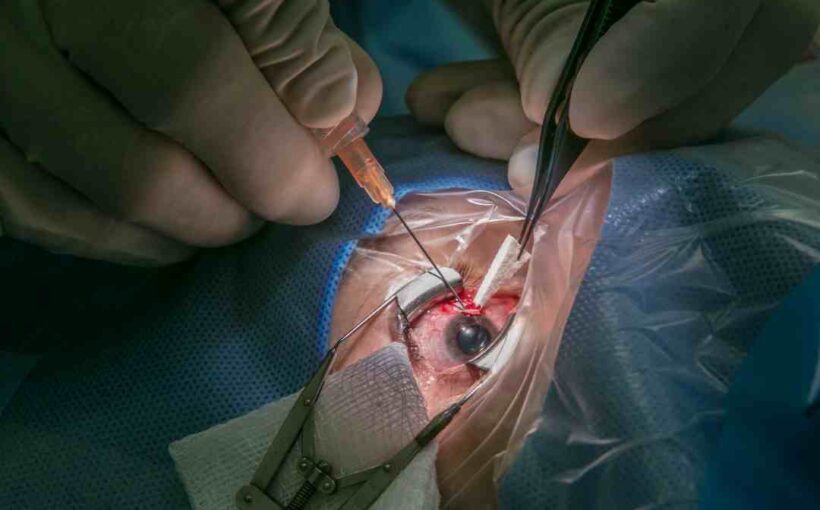
Cataracts are one of the most common age-related eye conditions affecting Australians over 50. When the lens of the eye becomes cloudy, it leads to blurry vision, glare sensitivity, and difficulty seeing at night. Many people search for terms like cataract surgery, cataracts treatment, eye cataract surgery, and cataract removal as they begin to explore solutions. Cataract surgery is currently the most effective and safest way to restore clear vision. With advanced technology and highly trained ophthalmologists, cataract surgery in Australia has become one of the most successful medical procedures worldwide.
Types of Cataract Surgery Available in Australia
Modern cataract eye surgery comes in several forms, each designed to improve precision and recovery. The two most common surgical options across Australia include traditional cataract surgery and laser-assisted cataract surgery. Traditional cataract surgery uses manual techniques to remove the cloudy lens and replace it with an artificial intraocular lens (IOL). Laser-assisted cataract surgery, however, uses advanced femtosecond laser technology to create precise incisions and break up the cataract more efficiently. Many Australians searching for cataract operation, cataract surgery Australia, and cataracts treatment want to understand these differences to make informed decisions.
Laser-Assisted Cataract Surgery: A Modern Approach
Laser cataract surgery is gaining popularity due to its enhanced accuracy. The laser helps soften the cataract, allowing for a smoother removal process. It offers improved precision in creating corneal incisions and correcting astigmatism. Patients researching cataract eye surgery, cataract operation, or cataract removal often find laser-assisted techniques appealing because they may improve visual outcomes. Although slightly more expensive than traditional surgery, many Australians consider it worth the investment for the added precision and potentially faster healing.
Who Is a Good Candidate for Cataract Eye Surgery?
Most people experiencing cloudy vision, difficulty driving at night, or struggles with reading may benefit from eye cataract surgery. A comprehensive eye examination is essential to evaluate the stage of your cataract and determine the right time for surgery. People with chronic glare, faded colour perception, and poor contrast sensitivity usually notice significant improvement after cataract removal. Whether you live in Sydney, Canberra, or any other part of Australia, your ophthalmologist will consider your eye health, lifestyle needs, and medical history before recommending the best cataract treatments.
Cataract Surgery in Sydney and Canberra: What to Expect
Australia has world-class eye care facilities, and cities like Sydney and Canberra are known for exceptional medical expertise. Searches for cataract surgery Sydney, cataract surgery Canberra, and cataracts surgery Canberra continue to rise as many seek local treatment options. The procedure is usually performed as a day surgery under local anaesthesia. Patients remain awake but feel no discomfort. Sydney and Canberra clinics typically offer advanced diagnostic imaging, laser-assisted options, premium intraocular lenses, and excellent aftercare. Whether you’re looking for cataract surgery near me or specialised clinics in larger cities, Australians can expect high surgical success rates nationwide.

Cataract Treatment Options and Intraocular Lenses (IOLs)
Choosing the right lens implant is an important part of any cataract treatment. There are several types of IOLs available in Australia.
Monofocal lenses provide clear vision at one distance and are the most commonly used option.
Multifocal lenses help patients see clearly at multiple distances, reducing the need for glasses.
Toric lenses correct astigmatism and are ideal for patients with irregular corneas.
Your selection influences both the cost and results of your cataract surgery. Always discuss your lifestyle needs and expectations with your surgeon to determine the most suitable IOL.
Risks Associated With Cataract Surgery
Although cataract surgery is one of the safest procedures globally, it still carries some risks. Common concerns include infection, inflammation, swelling, glare, or temporary blurriness. Rare complications include retinal detachment or vision loss. Patients exploring cataract eye surgery, cataract operation, or cataracts treatment should understand that these risks occur in less than 2% of cases. With experienced surgeons and modern equipment, Australian clinics maintain exceptionally high safety standards.
Recovery After Cataract Removal Surgery
Recovery from cataract removal is usually quick. Most patients resume daily activities within 24 to 48 hours. Vision improves gradually over several days as the eye heals. You may notice brighter colours, sharper focus, and reduced glare within the first week. It’s important to avoid rubbing your eyes, heavy lifting, or exposing your eyes to dust during the early healing phase. Follow-up appointments ensure the eye is responding well to the procedure. Many who undergo cataract surgery Australia are pleasantly surprised by how fast and comfortable the recovery process is.
Cost of Cataract Surgery Across Australia
The cost of cataract surgery in Australia varies depending on the clinic, surgeon, and type of intraocular lens selected. For those wondering about affordability, Medicare typically covers a large portion of cataract surgery when performed in a public hospital. In private clinics, out-of-pocket costs depend on insurance coverage, surgeon fees, anaesthesia costs, and lens type. People looking up cataract surgery near me, cataract eye surgery, or cataract treatments should always ask for a full cost breakdown before booking their procedure.
Choosing the Right Cataract Surgeon in Australia
Your choice of surgeon affects your results, safety, and overall experience. Look for ophthalmologists with extensive experience in both traditional and laser-assisted cataract surgery. Check whether the clinic uses advanced technologies like OCT scans, premium IOLs, and modern imaging systems. Read patient reviews and ask questions during your consultation. A skilled surgeon will guide you through treatment options, risks, and expectations to help you make the best decision.
Conclusion
Cataract surgery in Australia is a safe, modern, and highly effective solution for restoring clear vision. With multiple treatment options, advanced surgical techniques, and world-class medical facilities in cities like Sydney and Canberra, Australians can expect exceptional results. Whether you are researching cataract surgery, cataract treatments, or eye cataract surgery, understanding the types, risks, recovery process, and lens options helps you make confident decisions about your eye health. Cataract surgery continues to offer millions of Australians a renewed quality of life, sharper vision, and long-lasting comfort.
FAQs
Australia offers traditional and laser-assisted cataract surgery, both providing excellent results.
Yes, cataract surgery is one of the safest medical procedures with a high success rate.
Most people return to normal activities within 1–2 days, with full healing in a few weeks.
Yes, Medicare covers cataract surgery performed in public hospitals, reducing overall costs.
Patients can choose monofocal, multifocal, or toric intraocular lenses based on vision needs.